
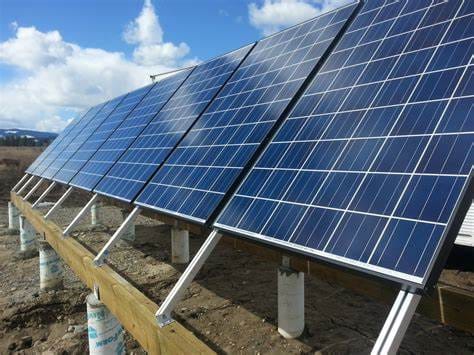
More Efficient Solar
DESCRIPTION Lens technology increases the efficiency of solar panels. Polycarbonate sheet manipulates light to maximize the good light and addresses the current limitation of solar panels to capture at best 22% of the energy from the sun.
PROBLEM Solar panels only capture at best 22% of the energy from the sun. They also wear out sooner than is ideal.
Lens technology increases the efficiency of solar panel energy conversion by 30%.
SOLUTION Produce a film layer integrated into solar panel manufacturers a film applied to existing panels.
IMPACT Solar power is advanced greatly, reducing the need for fossil fuels.
EVIDENCE 20 years of use in the medical field successfully for ophthalmology. Demonstrated with a small solar panel.
TECHNOLOGY Frequencies of light that maximize the conversion of the photons of light into electricity.
CUSTOMER The primary customers will be existing manufacturers of solar panels that are looking to enhance their offering with a more powerful and longer-lasting PV panel.
BUSINESS MODEL Upfront licensing fee and ongoing royalty payments.
ECONOMICS Global demand for PV panels far outstrips capacity. There is currently a 3-year backlog of PV panels. This technology could become standard in all solar panels manufactured.
COMMENTS The inventor appears to be a later-day Nicolas Tesla whose understanding of light waves energy and technology will merit a Nobel Prize. The company’s ongoing conversations with the US Dept of Defense give credence to the significance of this technology.
GLOBAL COMPETITION China. We think the improvement in efficacy (cost per kilowatt) would enable US (and other) manufacturers to become cost-competitive with China as it offsets China’s price advantage from a superior supply chain and economies of scale.
Comments
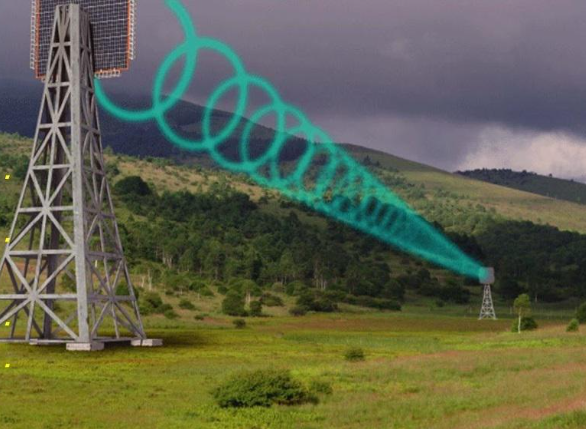
AEIR to Debut Long-Range Wireless Energy Transfer System in Zurich on December 15
Lucerne, Switzerland — AEIR announced today that it will conduct the first public demonstration of its long-range Wireless Energy Transfer (WET) system in Zurich on December 15, 2025. The debut marks a major milestone for the Swiss-based company, which has spent several years developing a technology capable of transmitting power safely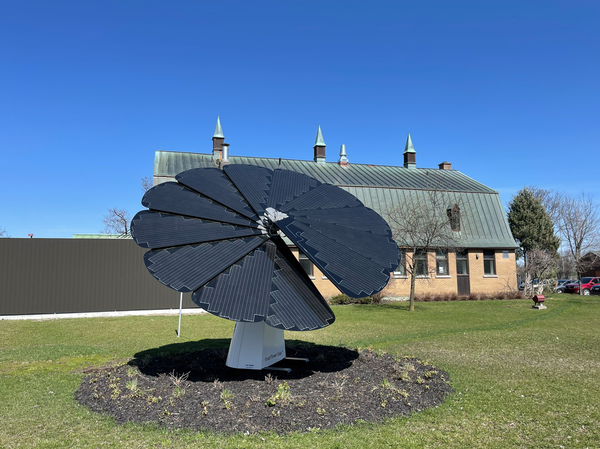
WattByWatt Uses Next-Generation Solar Materials to Power the World One Watt at a Time
As connected devices multiply and demand for clean electricity grows, the limitations of conventional solar technology are becoming more apparent. Traditional silicon panels are efficient at scale, but they are often rigid, energy-intensive to manufacture, and poorly suited for low-power or indoor applications. WattByWatt, a Canadian clean energy company, is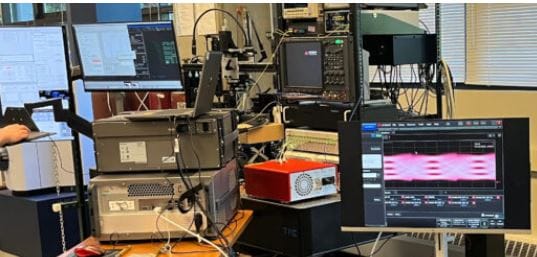
NLM Photonics’ vision is to substantially reduce the power consumption and footprint of high-performance data-centre and AI-training infrastructures by shifting from purely electronic to hybrid photonic-electronic interconnects
Seattle — NLM Photonics, is a Seattle-based startup developing next-generation hybrid organic electro-optic (OEO) photonic modulators At its core, NLM Photonics’ vision is to substantially reduce the power consumption and footprint of high-performance data-centre and AI-training infrastructures by shifting from purely electronic to hybrid photonic-electronic interconnects. The company’s patented Selerion
E-Waste Emerges as a Major Circular Economy Challenge for Governments and Industry
Electronic waste has become one of the fastest-growing waste streams in the world, driven by rising demand for consumer electronics, shorter device lifespans, and rapid digitalization across industries. Smartphones, laptops, appliances, and connected devices are replaced at unprecedented rates, generating mounting pressure on waste systems that were never designed to
Fixing One of Healthcare’s Biggest Blind Spots With Smart Medication Technology
Modern healthcare excels at diagnosing disease and prescribing treatment, yet what happens after a prescription is written often remains invisible. Whether patients take the right medication, at the right dose, and at the right time is largely assumed rather than verified. This gap between prescription and real-world use contributes to
AEIR to Debut Long-Range Wireless Energy Transfer System in Zurich on December 15
Lucerne, Switzerland — AEIR announced today that it will conduct the first public demonstration of its long-range Wireless Energy Transfer (WET) system in Zurich on December 15, 2025. The debut marks a major milestone for the Swiss-based company, which has spent several years developing a technology capable of transmitting power safely
WattByWatt Uses Next-Generation Solar Materials to Power the World One Watt at a Time
As connected devices multiply and demand for clean electricity grows, the limitations of conventional solar technology are becoming more apparent. Traditional silicon panels are efficient at scale, but they are often rigid, energy-intensive to manufacture, and poorly suited for low-power or indoor applications. WattByWatt, a Canadian clean energy company, is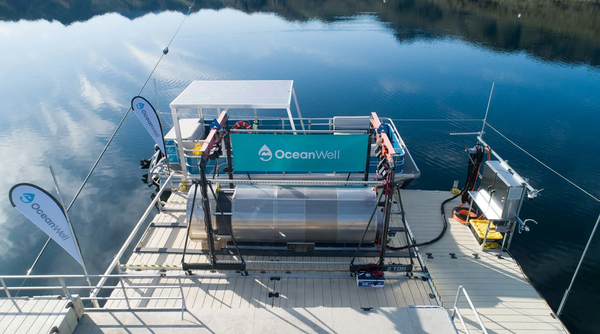
OceanWell Taps Deep Ocean to Redefine Sustainable Desalination
Water scarcity is rapidly becoming one of the most pressing global challenges, driven by climate change, population growth, and declining freshwater reserves. While desalination has long been seen as part of the solution, conventional systems remain energy-intensive, land-heavy, and environmentally controversial. OceanWell is advancing a new approach that rethinks how