
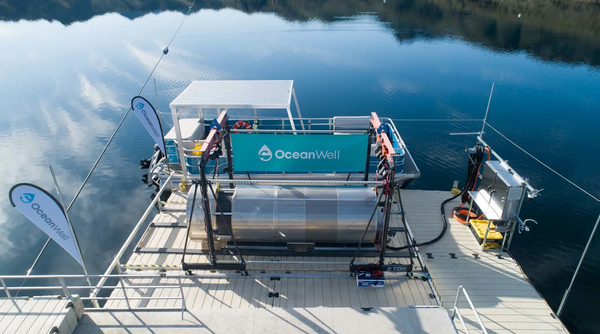
OceanWell Taps Deep Ocean to Redefine Sustainable Desalination
Water scarcity is rapidly becoming one of the most pressing global challenges, driven by climate change, population growth, and declining freshwater reserves. While desalination has long been seen as part of the solution, conventional systems remain energy-intensive, land-heavy, and environmentally controversial. OceanWell is advancing a new approach that rethinks how and where desalination happens — by moving it offshore and deep beneath the ocean’s surface.
Rethinking Desalination from the Seafloor Up
Founded in California, OceanWell has developed a deep-sea, modular desalination system designed to operate hundreds of meters below the ocean surface. Instead of pumping seawater to land and forcing it through membranes using large amounts of electricity, OceanWell leverages natural hydrostatic pressure at depth to drive reverse osmosis. This design reduces the energy required for desalination by up to 40% compared to conventional coastal plants. The result is a system that delivers fresh water more efficiently while avoiding many of the environmental trade-offs that have limited traditional desalination projects.
Water Farms: Modular, Scalable, and Offshore
OceanWell’s technology is deployed through subsea units known as Water Farms — modular pods that can be installed offshore and scaled incrementally as demand grows. Each pod is capable of producing millions of gallons of potable water per day, allowing utilities to expand capacity without building large coastal facilities or competing for valuable shoreline land. Because the systems operate offshore, they also reduce visual impact, noise, and land-use conflicts, making them particularly attractive for densely populated or environmentally sensitive coastal regions.
Designed with Marine Protection in Mind
Environmental impact has been a central design consideration. OceanWell’s LifeSafe™ intake system minimizes interaction with marine organisms, while brine by-products are released at depth where strong currents enable rapid dilution. By operating below biologically dense surface layers, the system avoids many of the tecological risks associated with near-shore desalination discharges.
From Pilot Projects to Global Potential
In California, the company is partnering with regional water agencies on California Water Farm 1, a planned offshore project expected to deliver up to 60 million gallons of freshwater per day by 2030. The initiative reflects growing interest from utilities seeking climate-resilient water supplies that align with long-term sustainability goals
Learn more about the company’s technology on the Davos Technology Platform.
Comments

Revolutionizing Water Management: How Technology is Tackling Water Waste in Buildings.
Shayp client ING went live in 2022 and has already saved over 3 million litres per year. In a couple of months, they were able to avoid 473 kg of carbon emissions by just monitoring their water and taking action efficiently.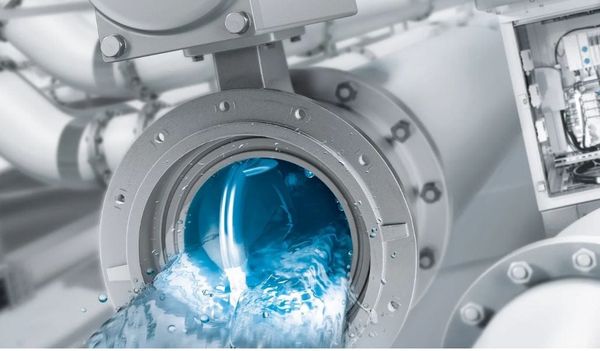
New Ecosystem Resource Directory Launched to Support Water Technology Companies Worldwide
A new Ecosystem Resource Directory is being developed to support water technology companies working to scale breakthrough innovations and proven solutions across the global water sector. The initiative aims to create a comprehensive, practical inventory of resources available to companies navigating the complex journey from innovation to market scale. By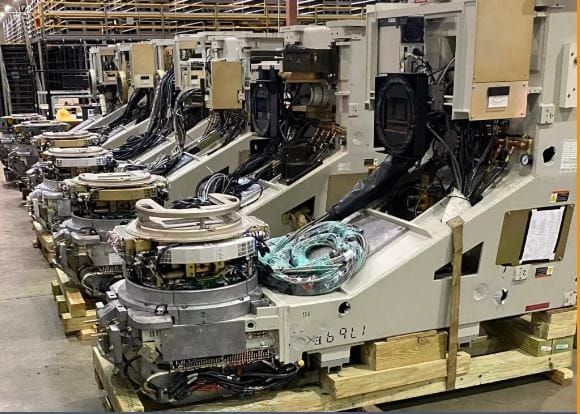
Pulse Unveils Breakthrough Technology to Eliminate 'Forever Chemicals' from Wastewater by using Pulsed Plasma and Electron Beams
In the global race to tackle PFAS contamination—often called “forever chemicals” for their resistance to breakdown—U.S.-based Pulse Wastewater has emerged with a potentially game-changing approach that aims not just to capture these pollutants, but to destroy them entirely. PFAS (per- and polyfluoroalkyl substances) have been
E-Waste Emerges as a Major Circular Economy Challenge for Governments and Industry
Electronic waste has become one of the fastest-growing waste streams in the world, driven by rising demand for consumer electronics, shorter device lifespans, and rapid digitalization across industries. Smartphones, laptops, appliances, and connected devices are replaced at unprecedented rates, generating mounting pressure on waste systems that were never designed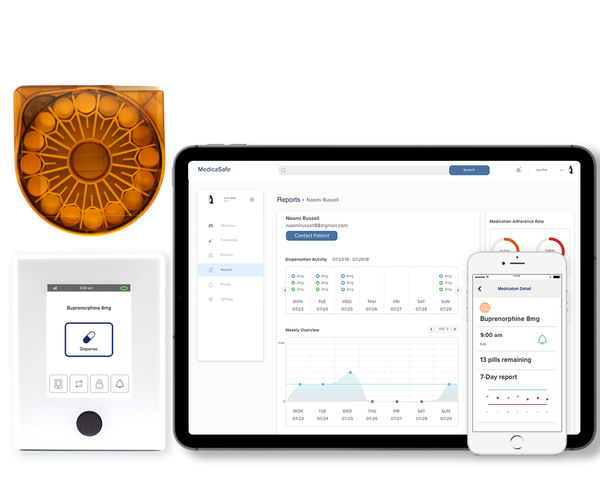
Fixing One of Healthcare’s Biggest Blind Spots With Smart Medication Technology
Modern healthcare excels at diagnosing disease and prescribing treatment, yet what happens after a prescription is written often remains invisible. Whether patients take the right medication, at the right dose, and at the right time is largely assumed rather than verified. This gap between prescription and real-world use contributes
AEIR to Debut Long-Range Wireless Energy Transfer System in Zurich on December 15
Lucerne, Switzerland — AEIR announced today that it will conduct the first public demonstration of its long-range Wireless Energy Transfer (WET) system in Zurich on December 15, 2025. The debut marks a major milestone for the Swiss-based company, which has spent several years developing a technology capable of transmitting
WattByWatt Uses Next-Generation Solar Materials to Power the World One Watt at a Time
As connected devices multiply and demand for clean electricity grows, the limitations of conventional solar technology are becoming more apparent. Traditional silicon panels are efficient at scale, but they are often rigid, energy-intensive to manufacture, and poorly suited for low-power or indoor applications. WattByWatt, a Canadian clean energy
Revolutionizing Water Management: How Technology is Tackling Water Waste in Buildings.
Shayp client ING went live in 2022 and has already saved over 3 million litres per year. In a couple of months, they were able to avoid 473 kg of carbon emissions by just monitoring their water and taking action efficiently.