E-Waste Emerges as a Major Circular Economy Challenge for Governments and Industry
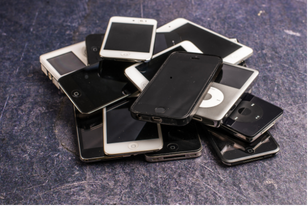
Electronic waste has become one of the fastest-growing waste streams in the world, driven by rising demand for consumer electronics, shorter device lifespans, and rapid digitalization across industries. Smartphones, laptops, appliances, and connected devices are replaced at unprecedented rates, generating mounting pressure on waste systems that were never designed to manage such volume or material complexity.
Globally, an estimated 60–65 million tonnes of e-waste are generated each year, a figure projected to exceed 80 million tonnes by 2030. Yet only around 20–25% of this waste is formally collected and recycled. The remainder is landfilled, exported, or processed through informal recycling operations that can release hazardous substances such as lead, mercury, cadmium, and brominated flame retardants.
Beyond pollution, e-waste represents a major resource inefficiency problem. Discarded electronics contain valuable materials including copper, aluminum, gold, silver, and rare earth elements — collectively worth tens of billions of dollars annually. When devices are improperly handled, these materials are lost, increasing dependence on primary mining and shifting environmental impacts elsewhere.
E-waste is no longer a niche recycling issue — it is a systems challenge that touches manufacturing, consumption, resource security, and environmental protection.
Scaling Formal Recycling from Compliance to Opportunity
As awareness grows and regulations tighten, attention is shifting toward scaling formal e-waste recycling infrastructure capable of safely managing hazardous components while recovering valuable materials at industrial scale. One of the most established operators in this space is Electronic Recyclers International (ERI).
Headquartered in the United States, ERI operates a network of certified e-waste recycling facilities, processing millions of pounds of end-of-life electronics each year for corporate, government, and institutional clients. The company has built its operations around rigorous safety, environmental, and traceability standards — a critical differentiator in a sector where improper handling can carry serious risks.
Despite progress, significant challenges remain. Formal recyclers face high costs related to compliance, labor, and increasingly complex product designs that make disassembly and material separation more difficult. Informal recycling and illegal exports continue to undercut responsible operators, while low collection rates limit feedstock availability for certified facilities.
At the same time, these constraints create meaningful opportunities. Printed circuit boards and other components contain metal concentrations far richer than natural ores, strengthening the economic case for improved recovery. Policy tools such as extended producer responsibility (EPR) schemes, right-to-repair legislation, and stricter export controls are beginning to shift value toward certified recyclers. As global electronic consumption continues to grow by 3–4% annually, companies capable of operating safely, transparently, and at scale are positioned to play a central role in circular electronics supply chains.
Whether e-waste becomes a defining failure, or a defining success, of the global circular economy transition will depend on how quickly formal recycling systems can scale and how effectively policy, product design, and industry align to support them.
Comments

Wild Hydrogen Secures Innovate UK Smart Grant to Advance Carbon‑Negative Hydrogen Tech. Its RiPR Technology converts waste into energy.
Cheltenham, UK – [Date] – Wild Hydrogen, a cleantech company pioneering carbon‑negative hydrogen and biomethane production, has been awarded a prestigious Innovate UK Smart Grant to support the further development and commercialization of its proprietary technology. The Innovate UK Smart Grants programme supports “game‑changing and world‑leading R&D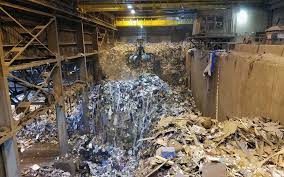
Turning Municipal Solid Waste into Clean Fuel
DESCRIPTION Project Basura is a transformative initiative turns landfills evolve into clean fuel refineries, mitigating environmental issues and promoting energy independence. PROBLEM Landfills emit massive levels of Methane, pollute groundwater, and contribute to environmental degradation. Envisions transforming landfills into education centers, providing clean fuels and energy independence to communities worldwide.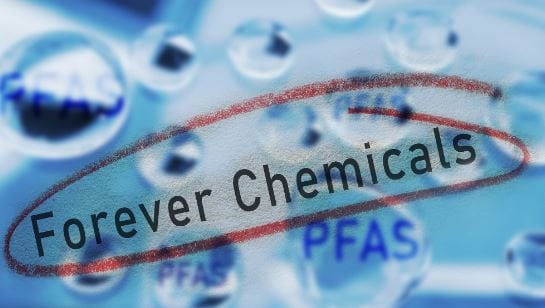
Addressing PFAS. Forever chemicals are taking an irretrievable toll on health everywhere. What options exist?
September 2025 — PFAS, or per- and polyfluoroalkyl substances, often referred to as “forever chemicals,” have emerged as one of the most pressing environmental and public health challenges of the 21st century. Their extreme persistence in the environment and links to severe health risks have placed them at the center of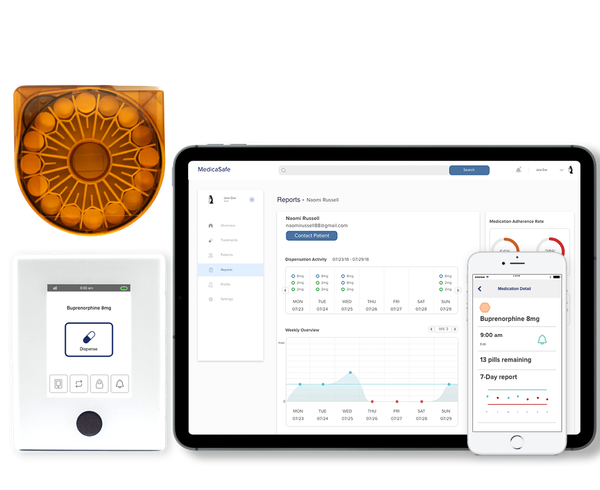
Fixing One of Healthcare’s Biggest Blind Spots With Smart Medication Technology
Modern healthcare excels at diagnosing disease and prescribing treatment, yet what happens after a prescription is written often remains invisible. Whether patients take the right medication, at the right dose, and at the right time is largely assumed rather than verified. This gap between prescription and real-world use contributes to
AEIR to Debut Long-Range Wireless Energy Transfer System in Zurich on December 15
Lucerne, Switzerland — AEIR announced today that it will conduct the first public demonstration of its long-range Wireless Energy Transfer (WET) system in Zurich on December 15, 2025. The debut marks a major milestone for the Swiss-based company, which has spent several years developing a technology capable of transmitting power safely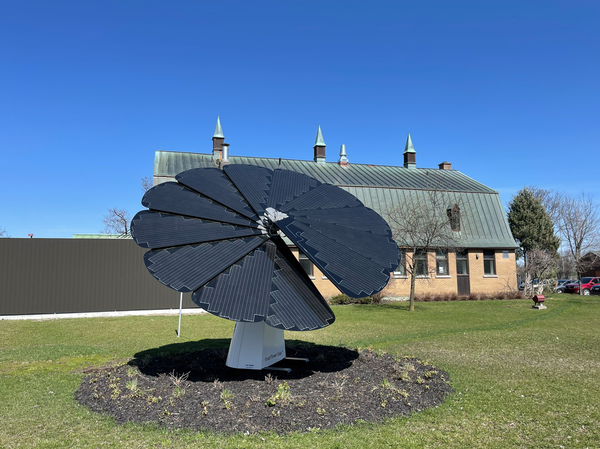
WattByWatt Uses Next-Generation Solar Materials to Power the World One Watt at a Time
As connected devices multiply and demand for clean electricity grows, the limitations of conventional solar technology are becoming more apparent. Traditional silicon panels are efficient at scale, but they are often rigid, energy-intensive to manufacture, and poorly suited for low-power or indoor applications. WattByWatt, a Canadian clean energy company, is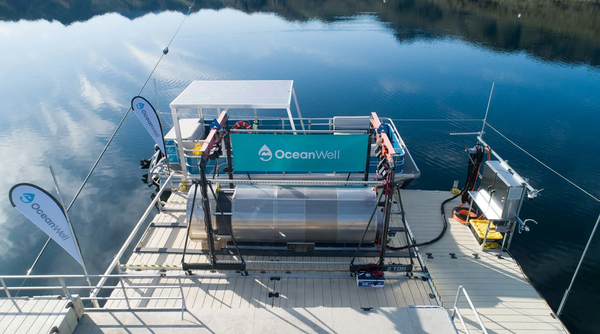
OceanWell Taps Deep Ocean to Redefine Sustainable Desalination
Water scarcity is rapidly becoming one of the most pressing global challenges, driven by climate change, population growth, and declining freshwater reserves. While desalination has long been seen as part of the solution, conventional systems remain energy-intensive, land-heavy, and environmentally controversial. OceanWell is advancing a new approach that rethinks how
Revolutionizing Water Management: How Technology is Tackling Water Waste in Buildings.
Shayp client ING went live in 2022 and has already saved over 3 million litres per year. In a couple of months, they were able to avoid 473 kg of carbon emissions by just monitoring their water and taking action efficiently.