

Revolutionizing Water Management: How Technology is Tackling Water Waste in Buildings.
Shayp client ING went live in 2022 and has already saved over 3 million litres per year. In a couple of months, they were able to avoid 473 kg of carbon emissions by just monitoring their water and taking action efficiently.
In a world where water conservation is becoming increasingly vital, innovative solutions are emerging to tackle the pressing issue of water waste in buildings. Water Impact Report spoke with Gregoire de Hemptinne, CEO of Shayp, about his technology that can eliminate the vast amount of waste of water in buildings worldwide.
The Water Waste Crisis: Capacity for Dramatic global impact.
According to Hemptinne, approximately 70% of overall water consumption is attributed to cities and buildings and over 20% of water used in buildings is wasted (leaky faucets, stuck toilets, broken pipes). Gregoire's technology aims to combat this issue by creating an intelligence layer over water consumption in buildings. A simple sensor added to the current metering can capture what is happening in real time and alert building management. Shayp aspires to make cities more resilient and reduce overall water bills.
The system provides a payback in about one year.
The Shayp analytics platform flags these anomalies, allowing property owners to address them promptly and efficiently.
Identifying Water Waste
But what exactly constitutes wasted water? According to Gregoire, waste can come from various sources, including leaking toilets, malfunctioning heating systems, or even improperly functioning appliances. The Shayp analytics platform flags these anomalies, allowing property owners to address them promptly and efficiently. For instance, a running toilet or a faucet that doesn't shut off can lead to significant water loss, and Gregoire's solution is designed to identify these issues before they escalate.
The Technology Behind Shayp
The Shayp solution begins with data acquisition. The technology includes a retrofit device that is attached to the existing water meter, enabling real-time monitoring of water flow with a granularity of one data point every 30 seconds. This data is then analyzed and presented through an app that gives users insights into their water consumption and highlights any anomalies. The app also includes benchmarking tools that help property owners compare water efficiency across multiple buildings, which is particularly valuable for those managing large portfolios.
The Company is currently monitoring 9,000 buildings across Europe 4,000 of which were added in 2025 and 6,000 projected in 2026 to reach 15,000.
The initial setup and installation for Shayp system ranges between 200 and 300 euros, depending on the building's water consumption. The annual software subscription ranges from 50 to 400 euros per sensor, depending on the insights required. Shayp has shown that average savings can reach 21%, providing a return on investment within the first year, making it an economically sound choice for property owners. (see case studies)
Target Markets and Future Growth
Currently, Shayp is targeting the commercial and industrial sectors, where there is a high demand for efficient water management due to regulatory pressures and environmental commitments. Facility management companies and municipalities are also key customers, as they benefit from improved operational efficiency and monitoring of older buildings. Their technology is being used in France, Germany, the UK, Spain, and Italy.
Founded in Brussels Belgium in 2017, the company has made significant strides, currently monitoring 9,000 buildings across Europe, 4,000 of which were added in 2025 and 6,000 expected in 2026 to reach 15,000. Accomplished with a staff of 12.
With proper funding, de Hemptinne feels he could reach 200,000 buildings within 5 years.
How big is this market?
In commercial buildings specifically, adoption lags behind energy systems. According to our initial industry analysis, 5–15% of commercial buildings globally currently have IoT-enabled water monitoring systems that can provide real-time usage data and analytics (beyond basic separate utility metering). That implies only a small minority of commercial buildings have full water monitoring solutions installed today. In the United States for example there are an estimated 5.9 million commercial buildings.
Scalability. The company is currently breaking even and is seeking growth capital to add more staff and to fund market expansion. A 3 million (Euros) Series A is now in development.
With a one-year payback it would seem there is a lot of runway for Shayp and its competitors. This is technology that should be rapidly adopted. The global water challenge requires companies like Shayp to expand rapidly and we expect adoption will be supported by both public pressure and regulatory tailwinds.
Profile of Shayp including the recorded podcast is located on the Davos Technology Platform visit: LINK
Comments
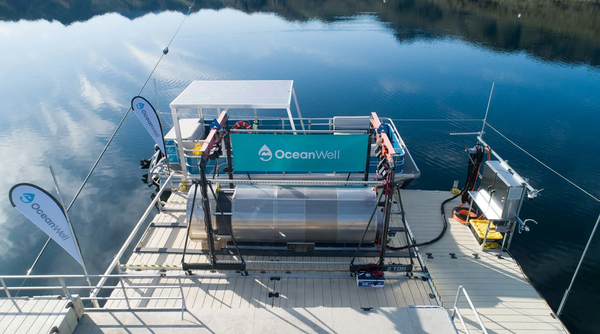
OceanWell Taps Deep Ocean to Redefine Sustainable Desalination
Water scarcity is rapidly becoming one of the most pressing global challenges, driven by climate change, population growth, and declining freshwater reserves. While desalination has long been seen as part of the solution, conventional systems remain energy-intensive, land-heavy, and environmentally controversial. OceanWell is advancing a new approach that rethinks how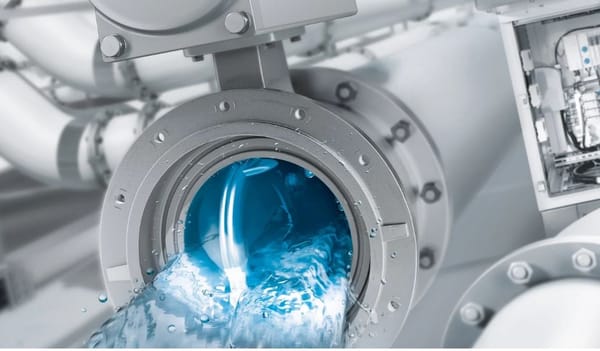
New Ecosystem Resource Directory Launched to Support Water Technology Companies Worldwide
A new Ecosystem Resource Directory is being developed to support water technology companies working to scale breakthrough innovations and proven solutions across the global water sector. The initiative aims to create a comprehensive, practical inventory of resources available to companies navigating the complex journey from innovation to market scale. By
Altru Research initiates coverage on water creation firm Ahbstra Engineering which uses metal organic frameworks (MOFs) to create potable water from air.
NEW YORK – Altru Research announced it will begin coverage of Abhstra Engineering, a London based early-stage company developing a new approach to atmospheric water generation (AWG). The company’s major innovation was to recognize the potential of MOFs. Metal Organic Frameworks a significant discovery in the material sciences that emerged
E-Waste Emerges as a Major Circular Economy Challenge for Governments and Industry
Electronic waste has become one of the fastest-growing waste streams in the world, driven by rising demand for consumer electronics, shorter device lifespans, and rapid digitalization across industries. Smartphones, laptops, appliances, and connected devices are replaced at unprecedented rates, generating mounting pressure on waste systems that were never designed to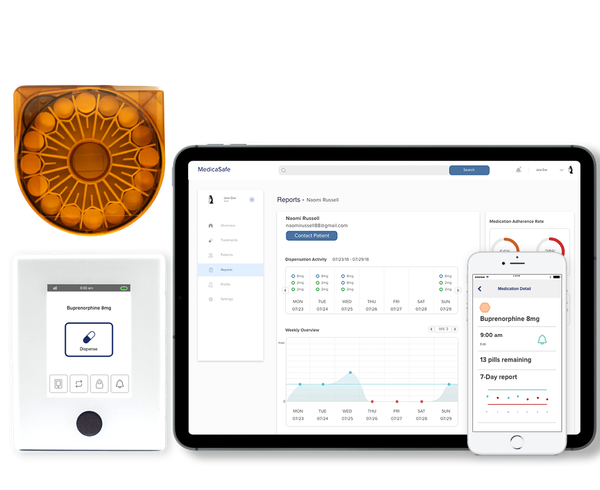
Fixing One of Healthcare’s Biggest Blind Spots With Smart Medication Technology
Modern healthcare excels at diagnosing disease and prescribing treatment, yet what happens after a prescription is written often remains invisible. Whether patients take the right medication, at the right dose, and at the right time is largely assumed rather than verified. This gap between prescription and real-world use contributes to
AEIR to Debut Long-Range Wireless Energy Transfer System in Zurich on December 15
Lucerne, Switzerland — AEIR announced today that it will conduct the first public demonstration of its long-range Wireless Energy Transfer (WET) system in Zurich on December 15, 2025. The debut marks a major milestone for the Swiss-based company, which has spent several years developing a technology capable of transmitting power safely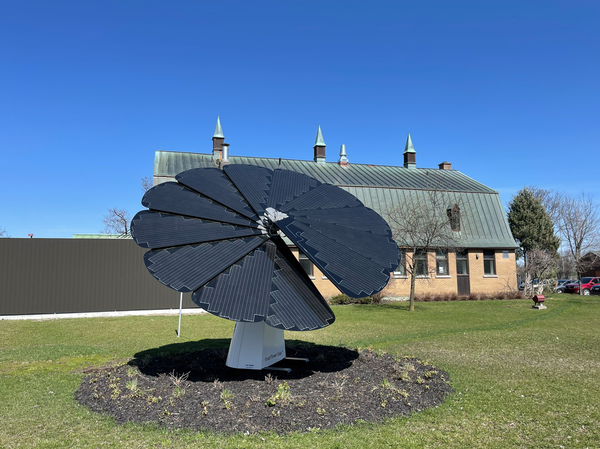
WattByWatt Uses Next-Generation Solar Materials to Power the World One Watt at a Time
As connected devices multiply and demand for clean electricity grows, the limitations of conventional solar technology are becoming more apparent. Traditional silicon panels are efficient at scale, but they are often rigid, energy-intensive to manufacture, and poorly suited for low-power or indoor applications. WattByWatt, a Canadian clean energy company, is
OceanWell Taps Deep Ocean to Redefine Sustainable Desalination
Water scarcity is rapidly becoming one of the most pressing global challenges, driven by climate change, population growth, and declining freshwater reserves. While desalination has long been seen as part of the solution, conventional systems remain energy-intensive, land-heavy, and environmentally controversial. OceanWell is advancing a new approach that rethinks how